Species guide
Roof Rat Control in Walnut Creek
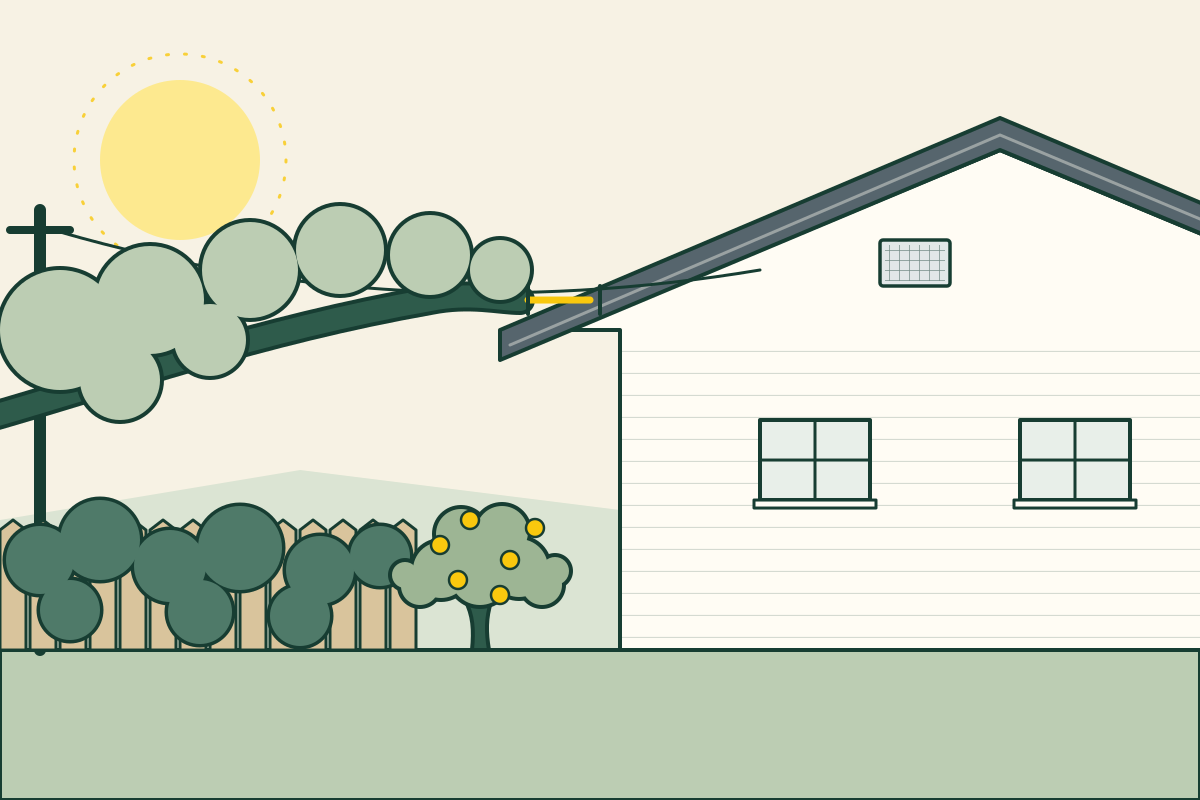
Roof rats are sleek, agile climbers that nest above ground in trees, dense shrubs and ivy, then move into attics through roof-level gaps. Control means trimming their highways (limbs within 6 feet of the roof, per UC IPM), sealing the roofline, and trapping the ones already inside.
Identification
Roof rat or Norway rat?
| Roof rat | Norway rat | |
|---|---|---|
| Build | Sleek and agile | Large and robust |
| Tail | Longer than head and body combined | Shorter; pulled over the back it reaches about the middle of the skull |
| Where it nests | Above ground: trees, shrubs, dense vegetation, attics | Burrows along foundations, under woodpiles and debris |
| Where you notice it | Attic noise, fences, power lines, gnawed fruit | Crawl space, garage, burrows in the yard |
| Trap placement (UC IPM) | Ledges, branches, fences, pipes, overhead beams | Along walls, behind objects, dark corners |
Descriptions from UC IPM Pest Notes: Rats. UC IPM also notes the documented range of roof rats is expanding.
Local conditions
Why the hills around Walnut Creek suit roof rats
Oak-wooded hillsides in Lafayette, Orinda and the Walnut Creek hills give roof rats continuous canopy to travel. Add English or Algerian ivy on fences and slopes, backyard citrus and other fruit trees, bird feeders and compost, and a neighborhood has food and cover all year. Older homes then offer the last piece: worn vent screens and gaps at the eaves.
Rats are mostly active at night, so the first sign is usually scratching overhead after dark, or fruit hollowed out on the tree.
Yard steps
Take away the highways and the food
- Cut back tree limbs that come within 6 feet of the roof (UC IPM). Oaks are protected in most local cities, so check the tree rules before heavy cutting.
- Thin or remove English and Algerian ivy on fences, walls and slopes; UC IPM singles out climbing ivy as rat habitat.
- Keep shrubs at least 2 feet from the house so there is no hidden path to the walls.
- Pick ripe fruit promptly and clear fallen fruit and nuts.
- Take down or tidy bird feeders, and keep pet food indoors.
- Use closed compost bins and keep woodpiles off the ground and away from the house.
Source: UC IPM Pest Notes: Rats. Lafayette and Danville both protect native trees; see the Lafayette and Danville pages.
The roofline
Sealing roof-level entries
Yard work reduces pressure; sealing stops entry. For roof rats that means roof and gable vents re-screened with heavy metal mesh, gaps at the eaves and roof-wall junctions closed with sheet metal, and openings around roof penetrations and chimneys covered. Expect ladder and roof work on steep or tall rooflines.
Already in the attic?
Trap while you seal
Roof rats inside need trapping at the same time; traps go on beams, ledges and pipes where they run. See rat removal, or check the signs of rats if you are not sure what you are hearing.
Questions
Frequently asked
How do I know if I have roof rats or mice?
Roof rats are much larger, and their droppings are bigger. Activity in trees, on fences and on the roof points to roof rats. A professional inspection can confirm the species from droppings, rub marks and entry points.
Why are roof rats on my fence at night?
Fences, ivy and utility lines are travel routes between trees, food and shelter. Rats are mostly active at night, so dusk is when you see them.
How far should trees be from my roof?
UC IPM says overhanging limbs within 6 feet of roofs should be removed. Check local tree rules before cutting large limbs from protected trees.
Do roof rats leave on their own?
Rarely, while food and shelter are available. Trapping and sealing are what end an attic infestation.
Next step
Get the house looked at
Call for the quickest answer, or send the form and expect a call back to set up an inspection and a written quote.
- Entry points found and listed
- Trapping, sealing and cleanup priced separately
- Warranty terms in writing